
The Algorithm Is Not Your A&R: Reclaiming Indie Discovery
Streaming algorithms have quietly replaced the traditional A&R role for independent artists, and the consequences for creative risk-taking are starting to show in everything we hear.
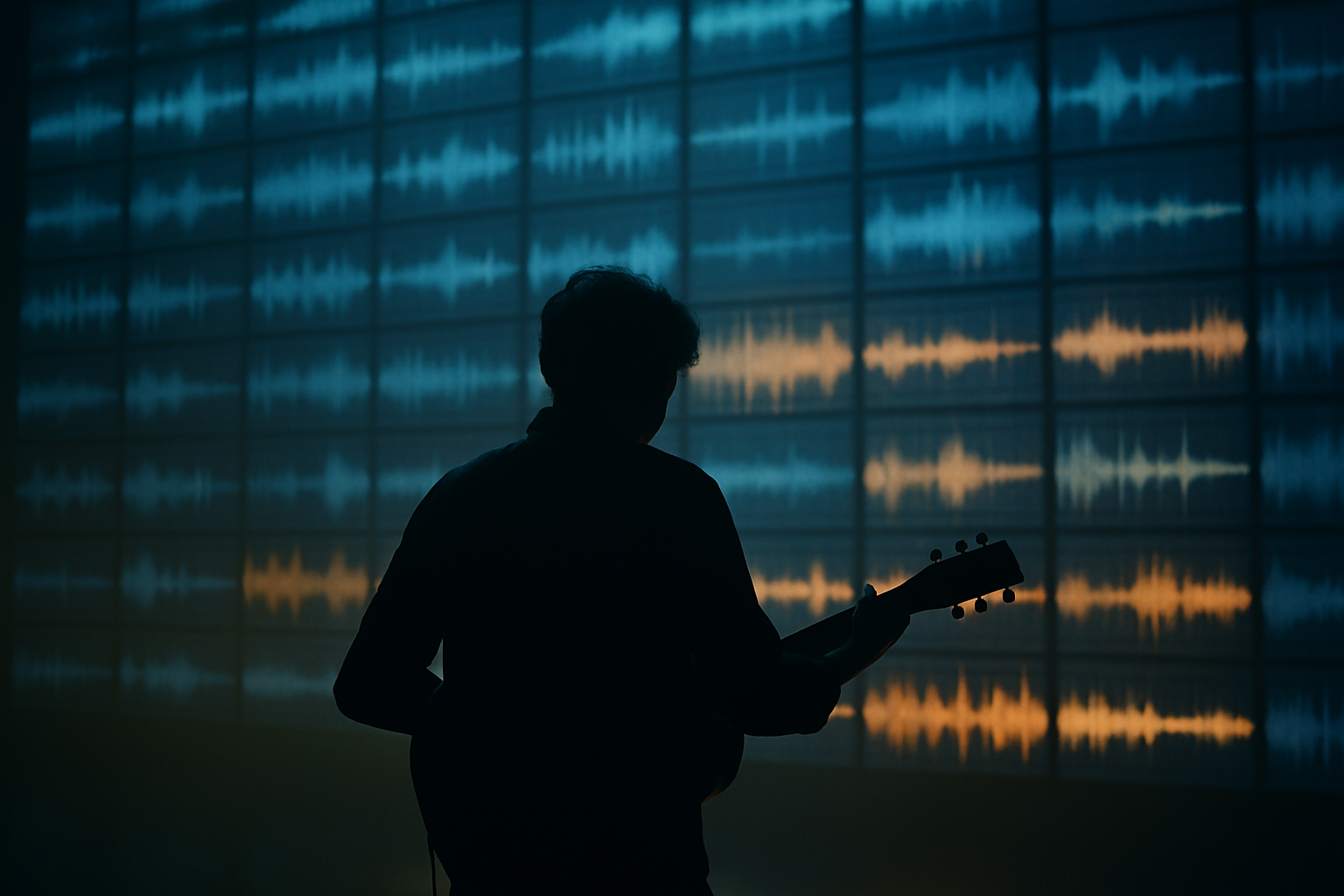
The New Gatekeeper Wears No Suit
For decades, the A&R rep was the mythical figure who could change a musician's life with a phone call. Today, that figure has been replaced by something far less glamorous: a recommendation engine. For independent artists, the algorithm decides what gets surfaced on editorial-adjacent playlists, what loops on short-form video, and what eventually finds an audience large enough to sustain a career.
This shift is often framed as democratization. No more begging label scouts in dingy clubs. No more demos lost in the mail. Just upload, optimize, and let the data do its work. But anyone who has actually tried to build a career on streaming knows the reality is messier, and arguably more restrictive than the old system it replaced.
Optimization Is a Creative Choice
When artists tailor their work to algorithmic preferences, they are making aesthetic decisions, whether they realize it or not. Intros get shorter because skip rates within the first thirty seconds tank a track's standing. Choruses arrive faster. Songs hover around the two-and-a-half-minute mark because that is where the per-stream economics make sense. Hooks are designed to be loopable in fifteen-second clips.
None of this is inherently bad. Pop music has always responded to its delivery format, from the three-minute radio single to the album-length statement of the LP era. The difference now is the speed and granularity of the feedback loop. An artist can know within hours whether a song is performing, and the temptation to chase that signal is enormous, especially when rent is due.
The quiet casualty is the slow-burn record. The album that needs three listens to click. The seven-minute closer that resolves an emotional arc. These works still get made, but they are increasingly the privilege of established artists with safety nets, not emerging ones trying to break through.
The Discovery Illusion
There is a comforting story that algorithms reward quality, that good songs eventually find their audience because the data does not lie. The truth is more complicated. Algorithms reward engagement signals, which correlate with quality only loosely. A song that is technically brilliant but emotionally restrained may never generate the saves and replays that trigger broader distribution. A song engineered for immediate dopamine, regardless of artistic depth, often will.
More importantly, algorithmic discovery is shaped by what already exists. Recommendation systems work by similarity, surfacing what resembles what listeners already enjoy. This creates a powerful pull toward the center of the distribution, a homogenizing force that quietly punishes genuine novelty. The truly strange record, the one that does not fit neatly into existing listener clusters, struggles to find its first thousand fans because the system has nothing to compare it to.
What Independent Artists Can Actually Do
The answer is not to ignore streaming platforms. They are too central to the modern listening experience to abandon. But independent artists should treat algorithmic performance as one input among many, not the final scorecard.
Direct fan relationships still matter, perhaps more than ever. A mailing list of a thousand engaged listeners is worth more than a hundred thousand passive streams. Live shows, even modest ones, build the kind of loyalty that algorithms cannot manufacture. Communities built around a clear artistic identity, whether on niche forums, Discord servers, or local scenes, give artists a foundation that does not evaporate when a playlist gets reshuffled.
Perhaps most importantly, independent artists need to reclaim the right to make decisions that are commercially suboptimal. The long song. The unconventional release rollout. The genre detour. These are not indulgences. They are how artistic identities get built over time, and how the broader musical landscape stays interesting.
The Long Game
The algorithm is a useful tool and a terrible compass. It can amplify a song that is already connecting, but it cannot tell an artist who they are or what they should make next. That work remains stubbornly human, and the artists who remember this, who treat the platforms as distribution channels rather than creative directors, are the ones most likely to build careers that outlast any single trend cycle.