
Classical Music Finds New Life Beyond the Concert Hall
From live-recorded intimacy to streaming-era discovery, classical music is quietly reinventing how it reaches listeners, with independent voices proving the genre's future is more open than its reputation suggests.
A Genre Rewriting Its Own Rules
For decades, classical music carried a reputation that worked against it: formal, archival, the soundtrack of a world that demanded silence and stillness. That image is fading faster than most observers expected. On platforms where listeners actively vote and follow, classical is no longer the genre you inherit from a parent's CD shelf. It is something audiences are choosing in real time, often through unconventional doorways.
The shift is visible even at the edges of charts like WorldWide Music Star's classical section, where independent recordings now sit alongside established names. Tyran Lee Ingram's "Celestial (Live)," currently leading the classical ranking, is a useful snapshot of where the genre is heading. It is a live recording, modest in its streaming numbers, but present and competing. That alone says something about how the playing field has changed.
The Return of the Live Take
One of the most interesting currents in contemporary classical is a renewed appetite for live recordings. For years, the studio was treated as the gold standard, every note polished, every breath edited out. But listeners raised on bedroom pop and lo-fi streaming culture have developed an ear for imperfection. They want to hear the room. They want the slight rustle of the audience, the moment of suspended air before a final chord.
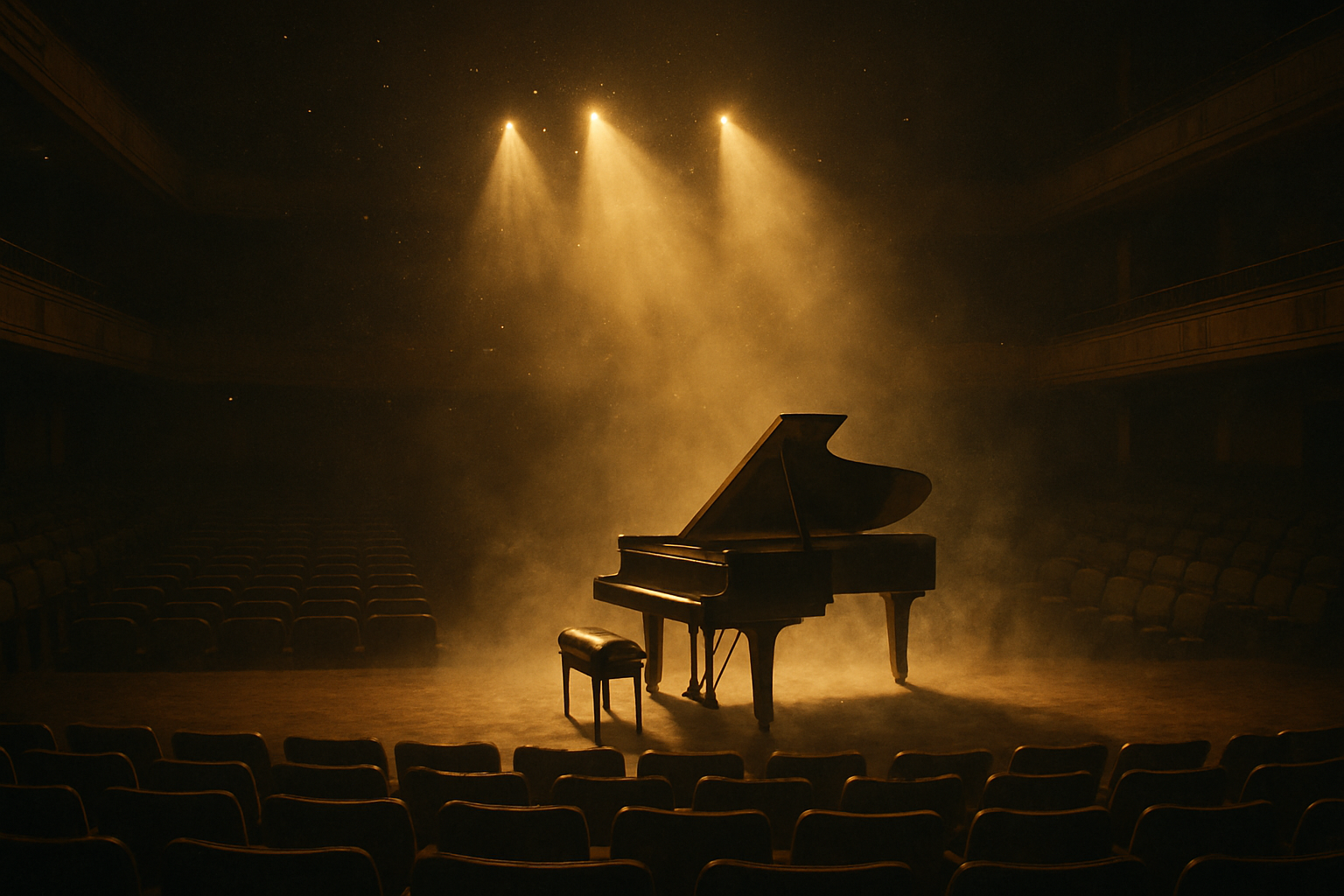
"Celestial (Live)" leans into exactly that aesthetic. A live classical recording uploaded to streaming platforms is no longer treated as a second-tier document but as a primary artistic statement. This mirrors what has happened in jazz reissue culture and even contemporary folk, where the live take is increasingly the definitive version. For composers and performers working outside major label structures, this is also practical: a single well-recorded concert can become a release-ready album without the cost of studio time.
Independent Performers as Their Own Labels
Another trend reshaping classical is the rise of the performer-entrepreneur. A generation of conservatory-trained musicians is graduating into a world where institutional support is shrinking and orchestral positions are scarce. Rather than waiting for a label, many are releasing directly, building modest but loyal followings on streaming services, and treating each upload as both art and outreach.
The numbers can look small compared to pop, but the context is different. A classical artist with seventy-something Spotify followers and a chart placement is not failing. They are operating in a niche where engagement runs deeper than scale. Listeners who seek out a solo piano piece or a live chamber recording tend to return, share with smaller circles, and attend concerts. The conversion from stream to ticket is often stronger here than in genres built on viral spikes.
Sacred, Cinematic, Crossover
Titles matter, and the language of contemporary classical releases tells its own story. Words like "celestial," "ascension," "horizon," and "luminous" appear constantly, signaling a genre that is leaning into the spiritual and the cinematic. Composers are writing for an audience that has spent years absorbing film scores, ambient music, and the sweeping textures of streaming-era playlists. The line between modern classical and what used to be called new age has thinned to the point of irrelevance.
This is not a dilution. It is a translation. Listeners who would never sit through a full symphony will happily play a six-minute piece that gestures toward awe. Performers who understand this are finding their audience without compromising craft. The technique is still there; the framing is simply more inviting.
What Comes Next
The classical chart on platforms driven by fan votes and streaming behavior will keep looking different from traditional industry rankings. Expect more live recordings, more solo and small-ensemble work, and more pieces designed to function inside the listening habits of 2025: short attention spans rewarded with long emotional arcs.
The genre that was supposed to be a museum is becoming a workshop again. Quiet, deliberate, and very much alive.